
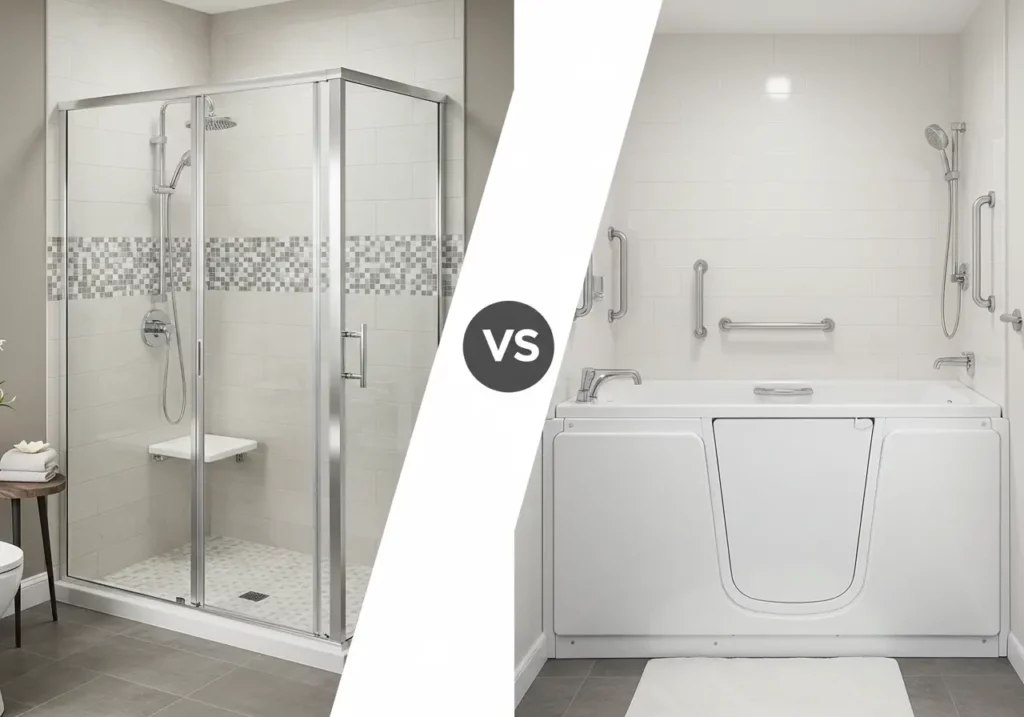
Upgrading your bathroom is more than a design choice it’s a chance to improve daily comfort, safety, and accessibility. One of the key decisions is whether to install a walk-in shower or a walk-in tub. Both bring valuable benefits depending on your needs, space, and lifestyle. This guide walks you through both options, helping you make a confident, informed decision.
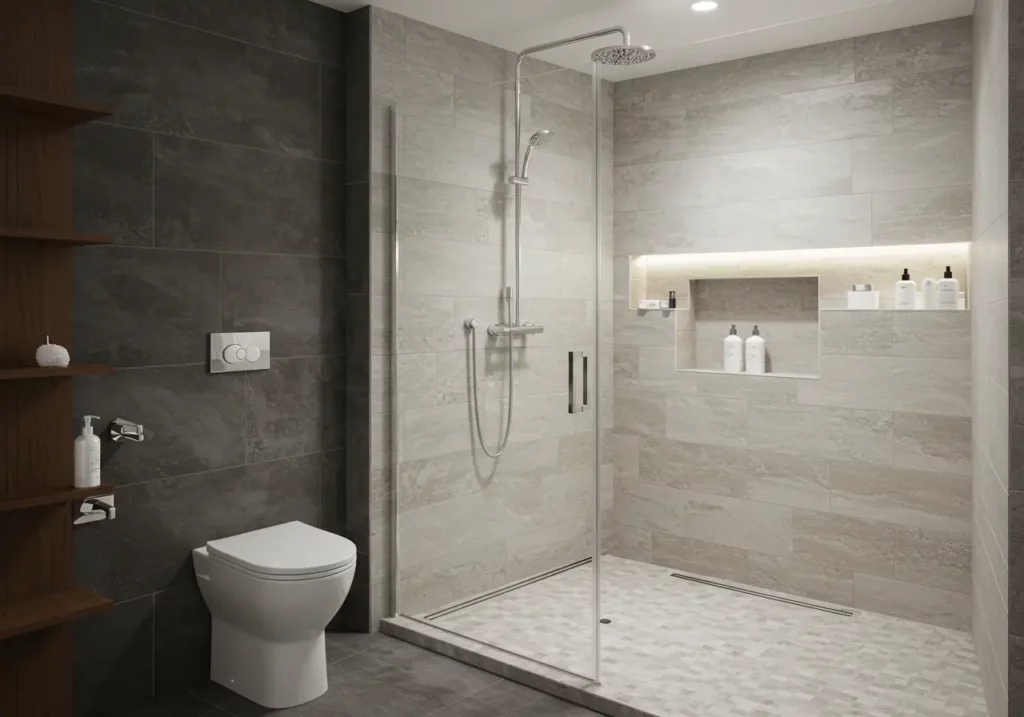
What Is a Walk-in Shower?
A walk-in shower is a low-threshold, open-concept bathing area designed for ease of use and modern appeal. Popular in custom and compact bathrooms, it can be enhanced with slip-resistant flooring, grab bars, or built-in seating. It’s a smart option for anyone looking for a sleek, low-maintenance upgrade that also supports safe, accessible use.
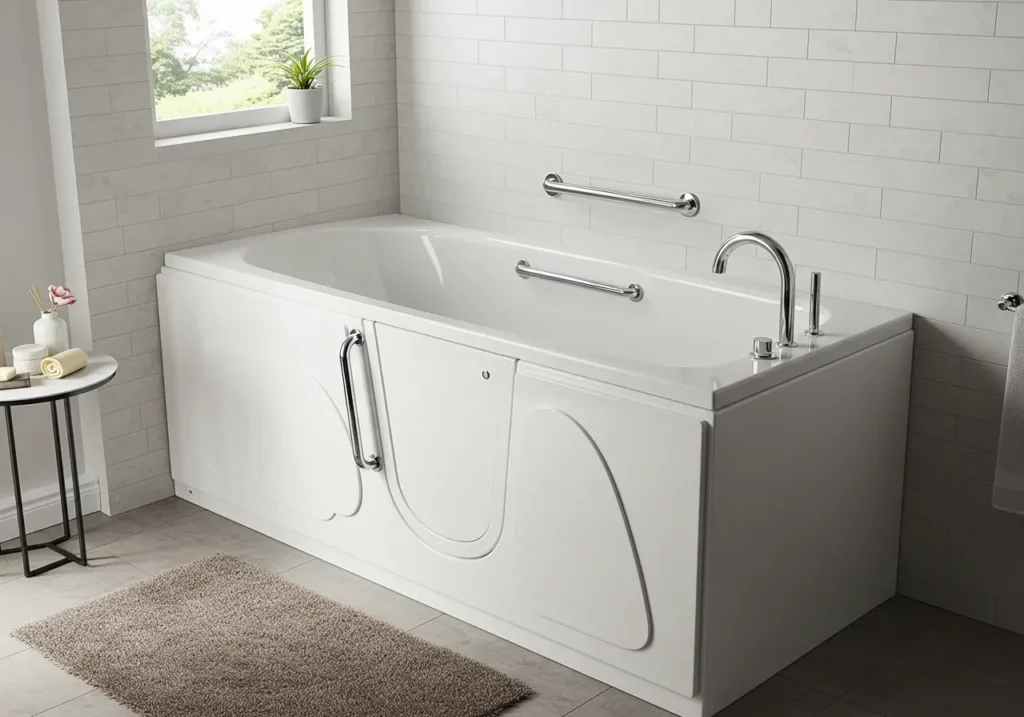
What Is a Walk-in Tub?
Walk-in tubs are created for safe and comfortable soaking, especially for those who need added support. They include a swing-open door, a built-in seat, and optional features like hydrotherapy jets. These tubs are ideal for those looking to blend relaxation, wellness, and long-term accessibility into their daily routine.
Walk-in Showers – Benefits and Considerations
Walk-in showers are a favorite in modern bathroom remodeling. They offer flexibility, efficiency, and a clean, elegant look especially useful in smaller spaces.
Benefits of Walk-in Showers
- Space-Saving Design: Walk-in showers create a more open floor plan, making smaller bathrooms feel spacious and easier to navigate.
- Accessibility-Friendly: With a low or no threshold, these showers make entry simple. Safety features like grab bars and benches add comfort and peace of mind.
- Contemporary Look: Their frameless glass and minimalist design match well with modern interiors. Materials can be fully customized to suit any aesthetic.
- Low Maintenance: With fewer seams, corners, and materials like curtains, walk-in showers are easy to clean and maintain over time.
- Water Conservation: Showers typically use less water than full tubs, which helps conserve resources and reduce monthly utility bills.
Considerations
- Not Designed for Soaking: Those who enjoy full-body soaking may prefer a tub. Walk-in showers are ideal for quick, refreshing routines.
- Planning for Water Management: To keep the space dry, it’s important to use proper drainage and enclosure design easy steps that professionals can guide you through.
- Home Buyer Preferences: In some family-focused housing markets, having at least one bathtub can boost appeal. If resale value is part of your plan, consider keeping one in the home.

Walk-in Tubs: Benefits and Considerations
Walk-in tubs are designed to offer safety and comfort without compromising on luxury. They’re especially valuable for seniors, individuals with limited mobility, or anyone seeking therapeutic bathing benefits.
Benefits of Walk-in Tubs
- Built-In Safety Support: Most models feature a low step-in entry, built-in handrails, and textured flooring to provide a secure, slip-resistant experience.
- Wellness and Relaxation: Hydrotherapy jets, ergonomic seating, and heated surfaces deliver a calming, spa-like environment ideal for relieving tension or joint discomfort.
- Safe Soaking Made Easy: Unlike traditional tubs, walk-in models allow users to enter easily and bathe in comfort, combining the joys of soaking with enhanced safety.
- Positive Impact on Resale: Homes that include a well-designed walk-in tub appeal to a wide range of buyers, especially in accessibility-conscious or aging-in-place markets.
Considerations
- Space and Layout Needs: Walk-in tubs require slightly more space than showers. A professional layout assessment ensures a seamless fit without overcrowding.
- Fill and Drain Timing: While the tub fills after entry, many modern models are equipped with quick-fill and fast-drain systems to keep wait times minimal.
- Water Temperature Planning: Temperature-controlled valves and insulation help maintain warmth throughout use especially when paired with an updated water heater.
- Installation Investment: Walk-in tubs include advanced safety and comfort features, which may reflect in their price. Many homeowners see it as a long-term upgrade for health, safety, and independence.
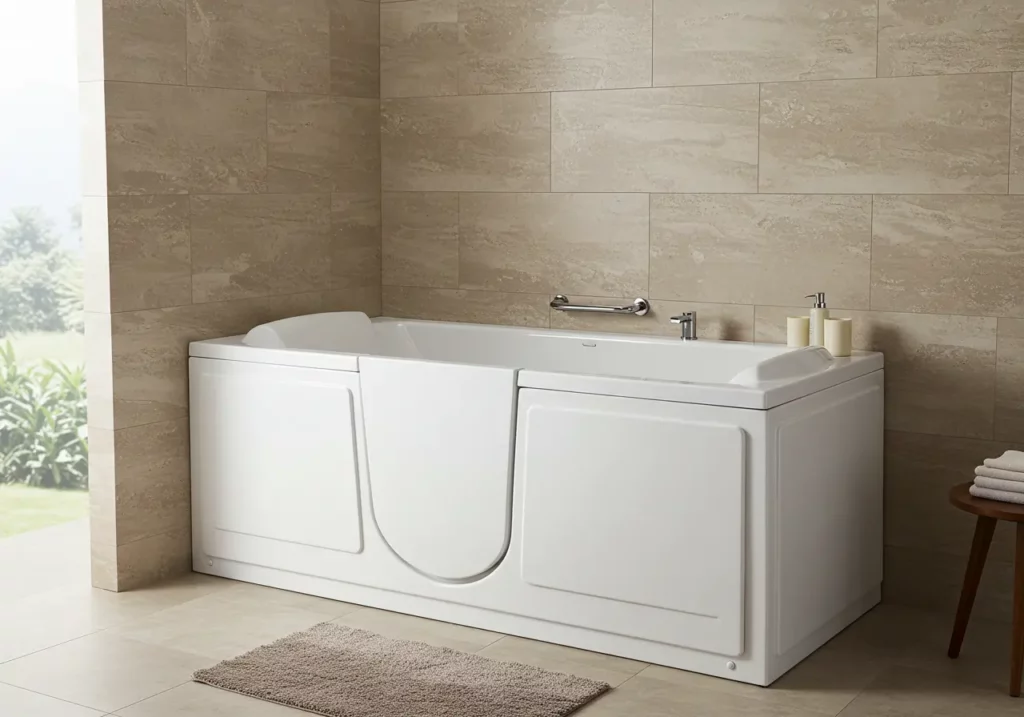
How to Choose Between a Walk-in Shower and a Walk-in Tub
Lifestyle and Daily Routine
If you prefer quick, energizing showers and value easy cleaning, a walk-in shower is a great fit. If soaking, relaxation, or medical needs are part of your daily routine, a walk-in tub provides the comfort and accessibility to support that lifestyle.
Space and Bathroom Layout
For compact spaces, walk-in showers maximize every inch and make smaller bathrooms feel larger. For larger layouts, walk-in tubs fit well into traditional alcove spaces and offer a centered, functional feature that supports aging in place.
Budget and Long-Term Value
Walk-in showers often have lower upfront costs and strong resale appeal in modern markets. Walk-in tubs offer enhanced comfort and long-term safety especially beneficial in homes with elderly residents or individuals with mobility needs. Both offer value depending on your long-term priorities.
Renovation Tips from the Experts
Working with a certified bathroom remodeler ensures your upgrade meets both current and future needs. Prioritize features like slip-resistant flooring, accessible lighting, and high-quality fixtures. Thoughtful design choices like smart water control, good ventilation, and functional storage elevate your bathroom’s usability and long-term value.